If you’ve ever felt like kindergarten science lessons
are the hardest to plan…
you’re not alone.
Maybe your curriculum feels overwhelming or hard to follow.
Maybe it doesn’t keep your students engaged.
(Raise your hand if you’ve also been victimized by a 1990s text book 🙋🏻♀️)
Or maybe you don’t have one at all, and you’re spending your time piecing lessons together each week.
It doesn’t have to be that way.
Little Kindergarten Science Thinkers was created to make science simple, engaging, and manageable.
It’s a complete, ready-to-teach science curriculum and this one is designed specifically for kindergarten, so you can spend less time planning and more time actually teaching.
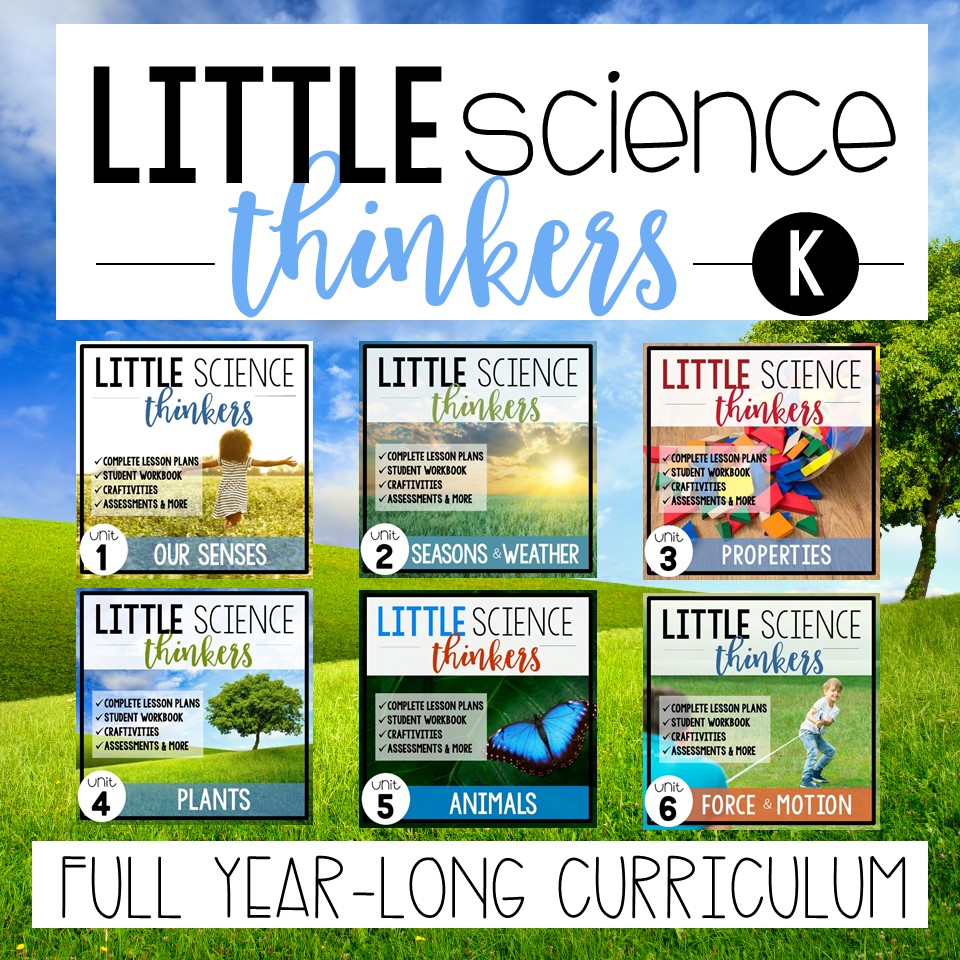
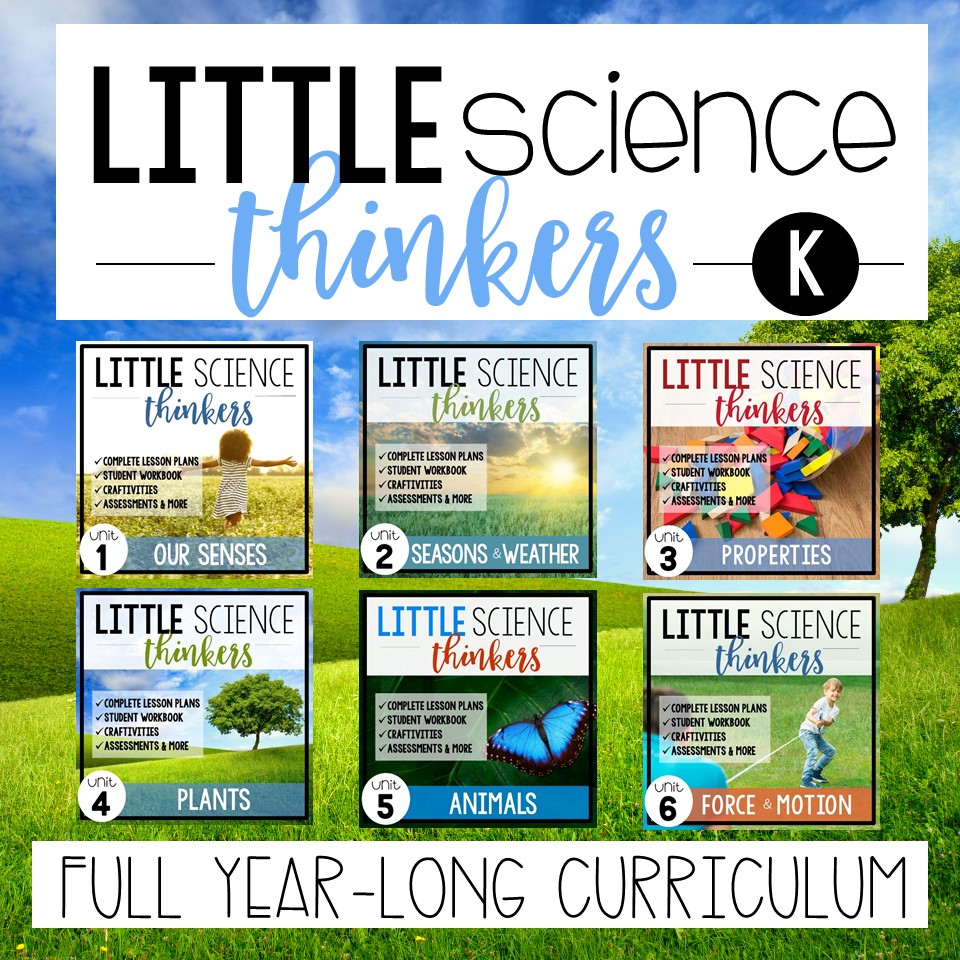
Little SCIENCE Thinkers is a complete Science curriculum specifically for Kindergarten.
It’s everything you need to introduce, teach, practice, and assess your kinder friends.
It is written to suit the main topics of state Kindergarten Science Standards.
It’s also NGSS and 2024 TEKS aligned.
(Click each link above to download the alignment)
This curriculum is 100% researched, written and created by me- Karen Jones,
a former teacher with over 10 years of experience as a public school teacher.
There’s a reason why these units collectively have over 6,000 ratings ⭐⭐⭐⭐⭐
on TPT from teachers like you.
Take a look inside and see if it’s a fit for your classroom or homeschool!
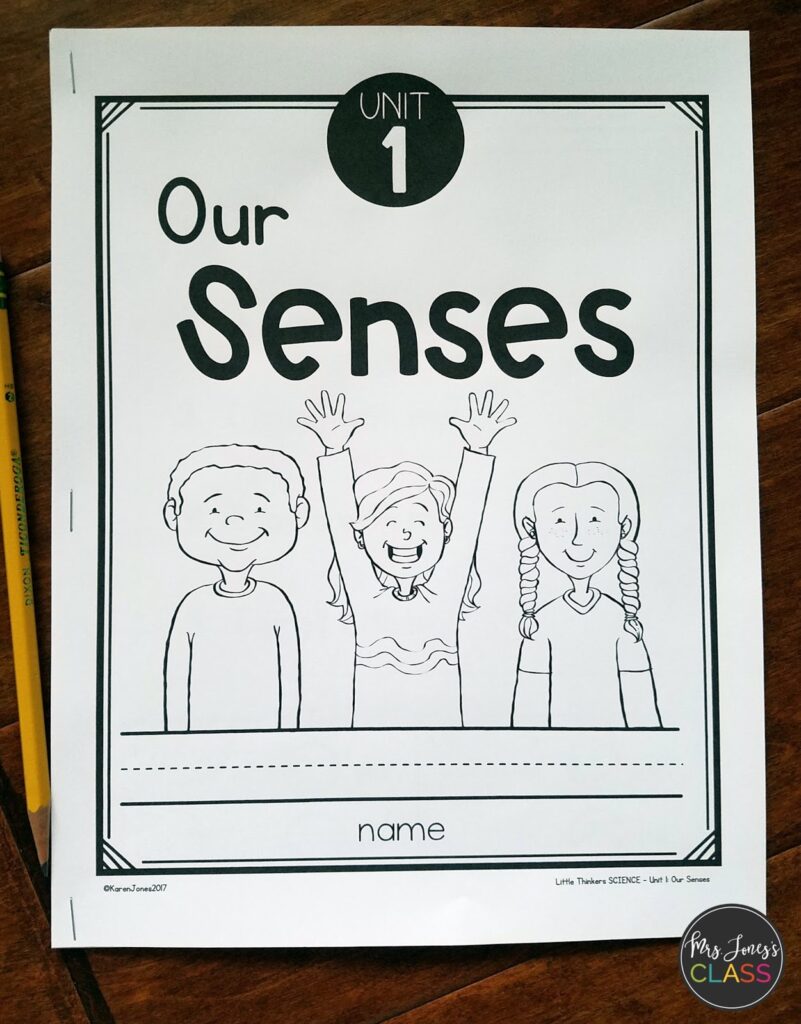
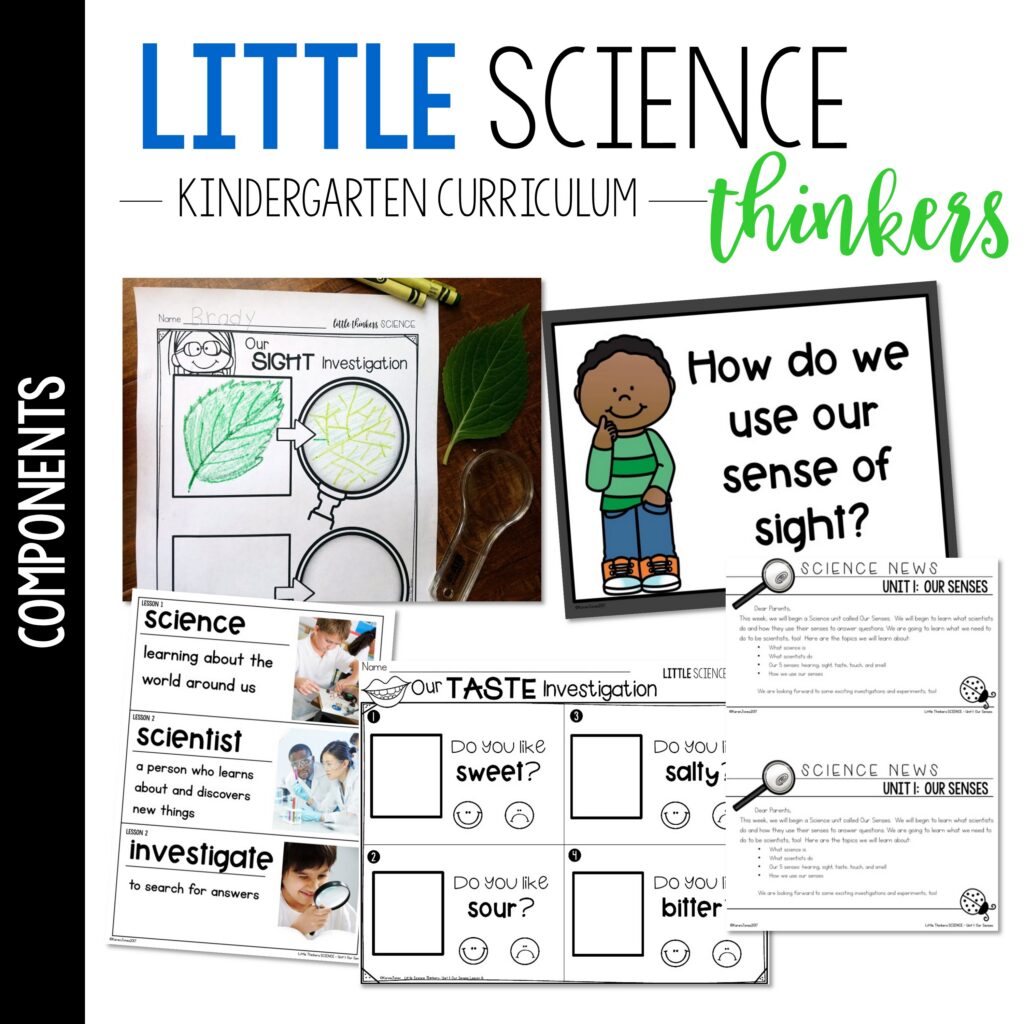
LESSONS IN UNIT 1: Our Senses
Lesson 1: WHAT IS SCIENCE?
Lesson 2: WHAT DO SCIENTISTS DO?
Lesson 3: OUR SENSE OF HEARING
Lesson 4: OUR SENSE OF SMELL
Lesson 5: OUR SENSE OF TOUCH
Lesson 6: OUR SENSE OF TASTE
Lesson 7: OUR SENSE OF SIGHT
Lesson 8: USING OUR SENSES (SCIENCE STATIONS)
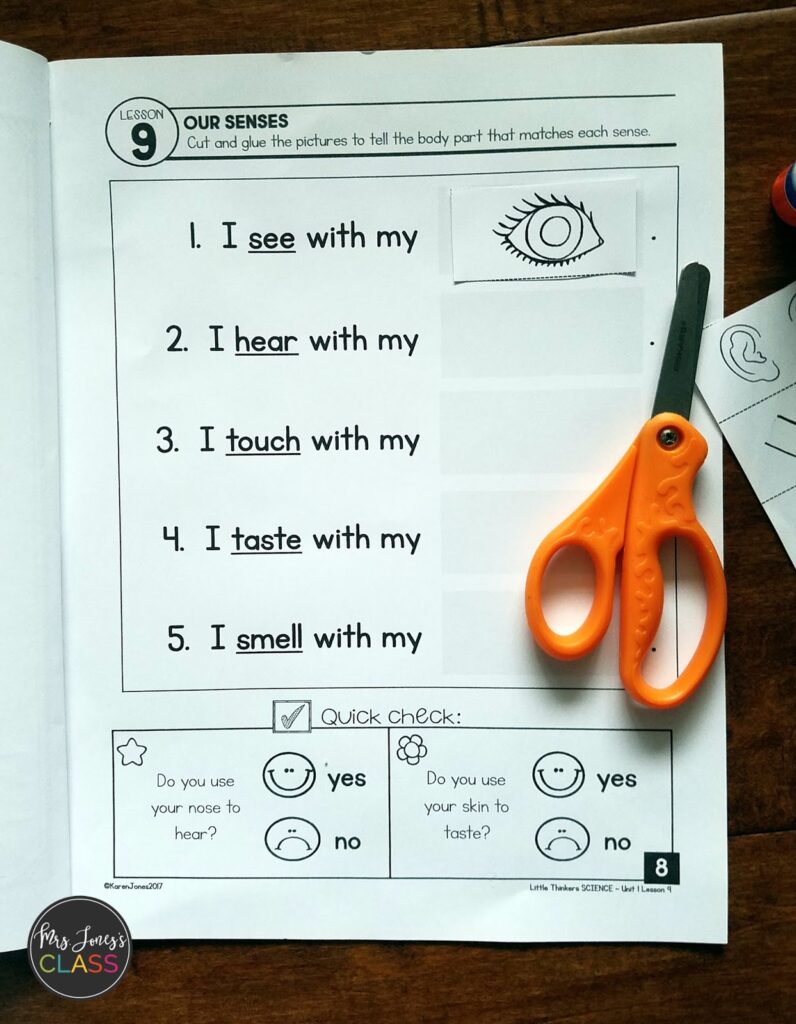
Lesson 9: SENSES CRAFTIVITY
Lesson 10: REVIEWING OUR SENSES
Lesson 11: IMPORTANT SCIENTISTS
Lesson 12: UNIT ASSESSMENT
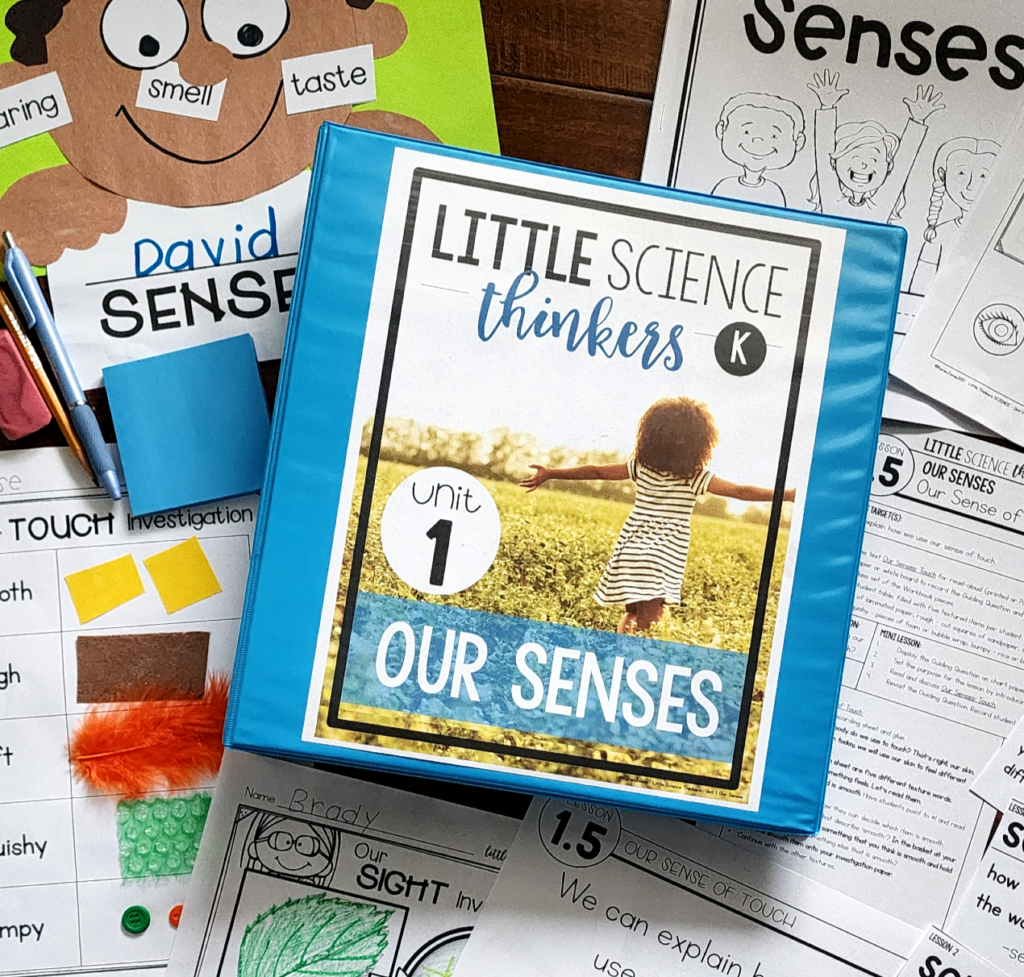
And here is the breakdown of the major components of each unit.
These four-week units are meant to be taught three times per week with 30-35 minute lessons. I know that your time is valuable and you need to make the most of every minute, so each lesson is jam packed with content and engagement.
The lessons are
quick-paced, written in
teacher language, and Kinder-friendly. You could give these plans to a sub or student teacher, and there would be no question as to what they need to do! It’s all there for you.

A full
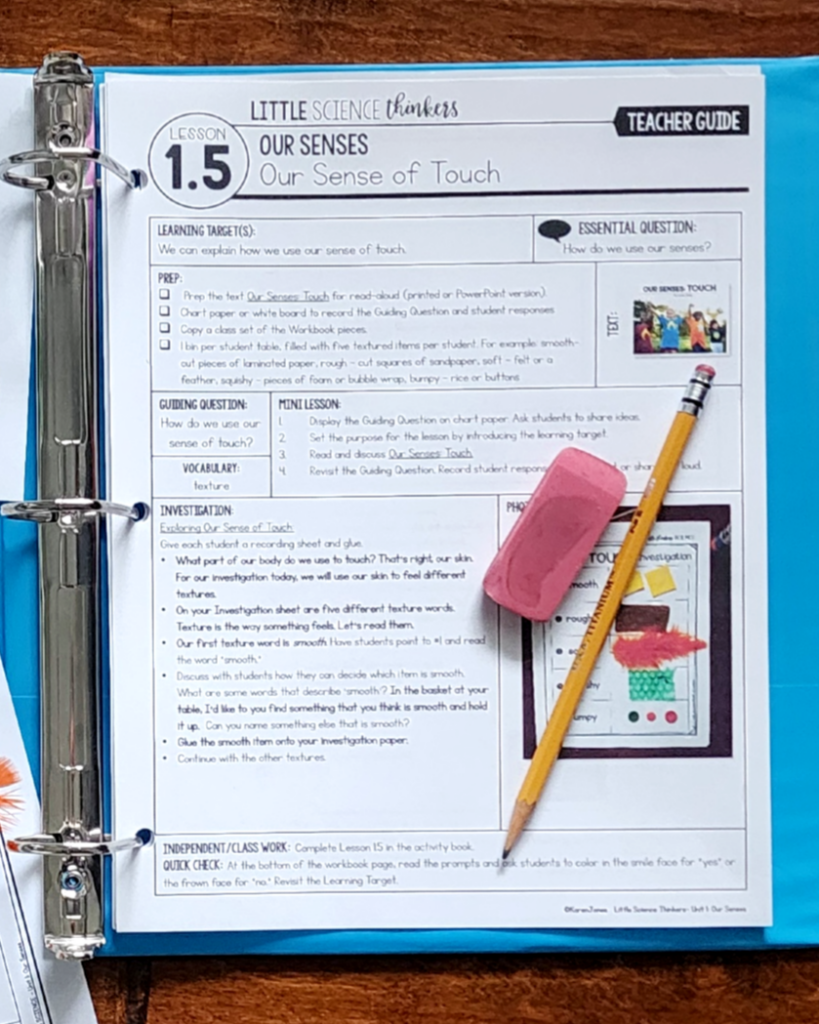
Teacher Guide to help you plan:
NINE nonfiction Texts are INCLUDED for read-alouds:

Print and use *complete* scripted Lesson Plans:
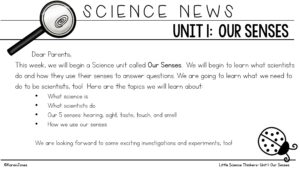
Parent Letter:
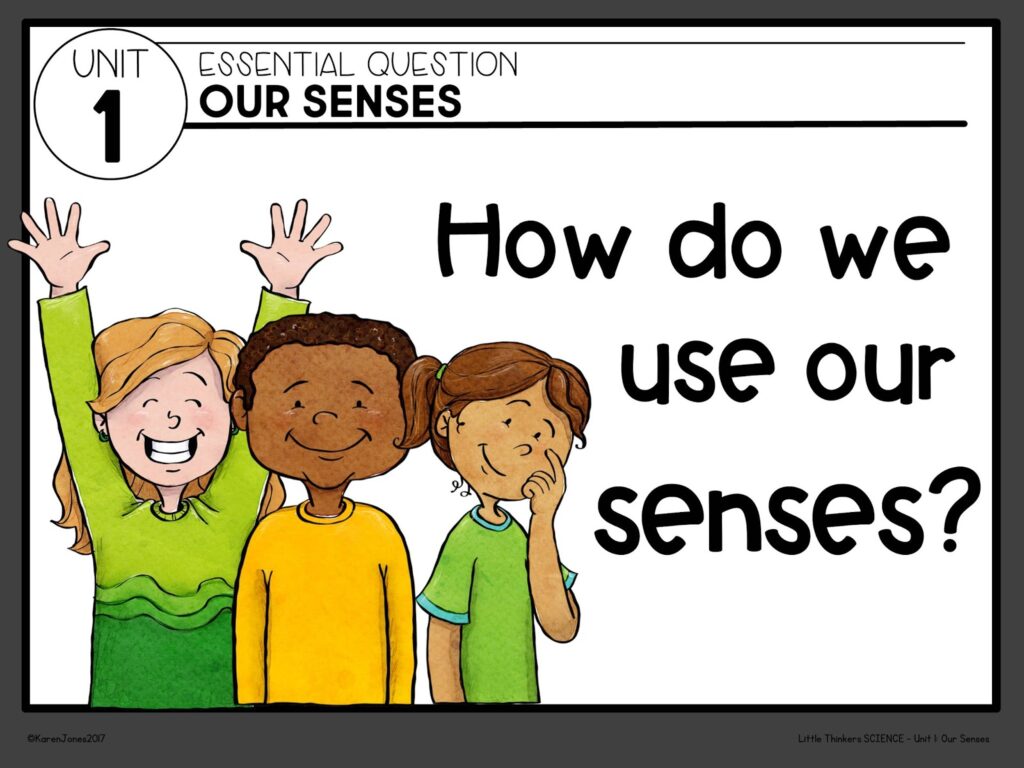
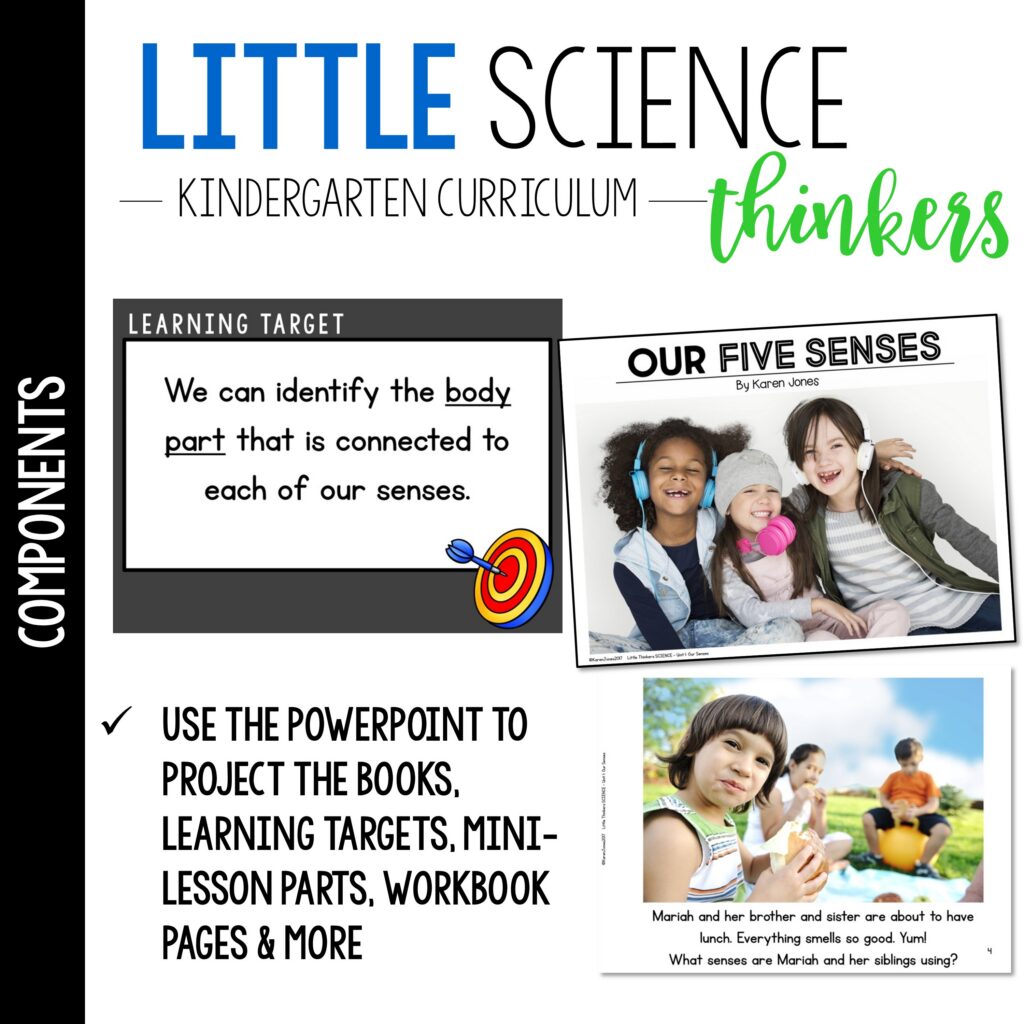
Essential Question and Learning Targets for each lesson
that can be posted on a Focus Wall:
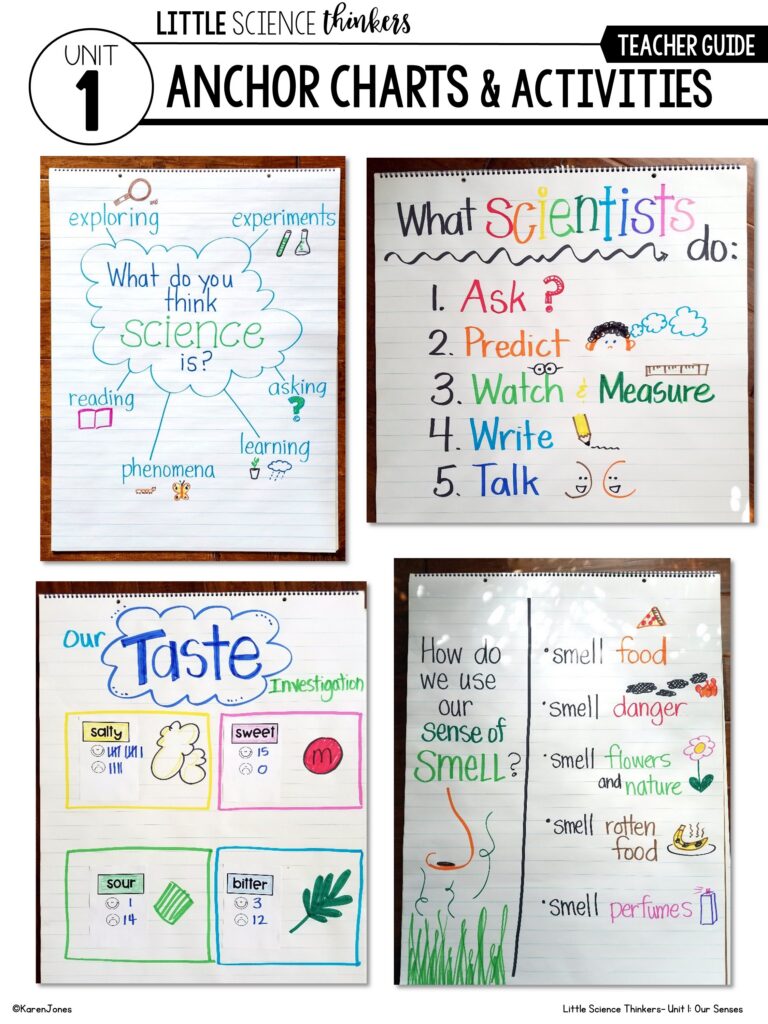
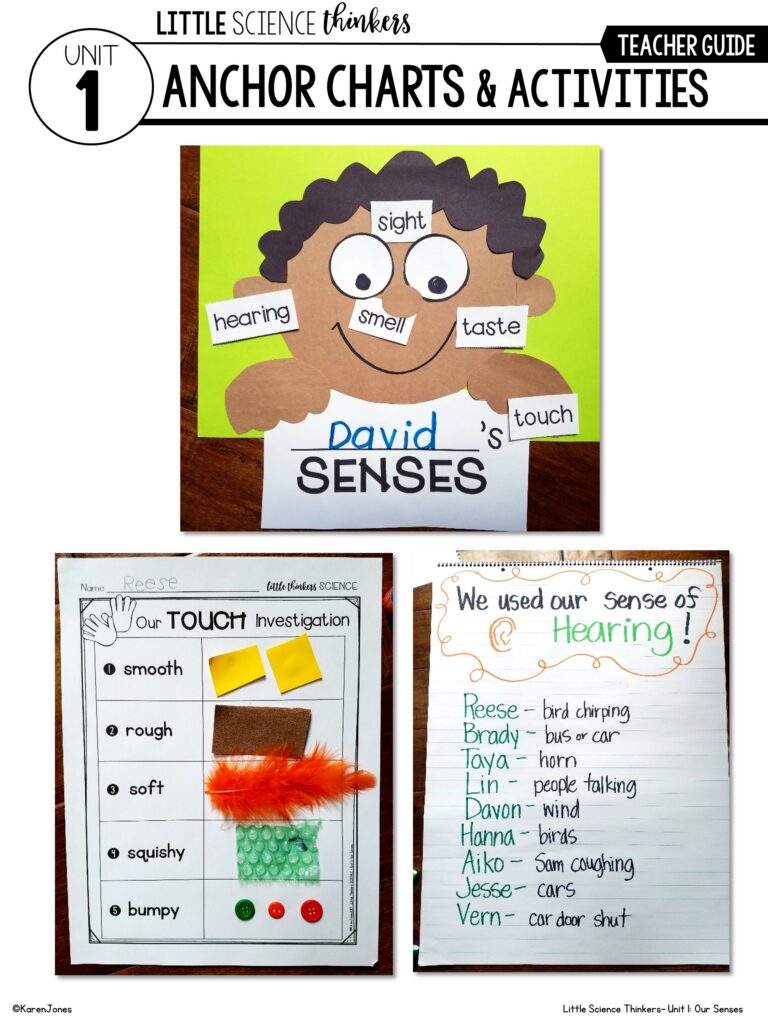
Anchor Charts and TONS of materials and activities to guide your teaching:
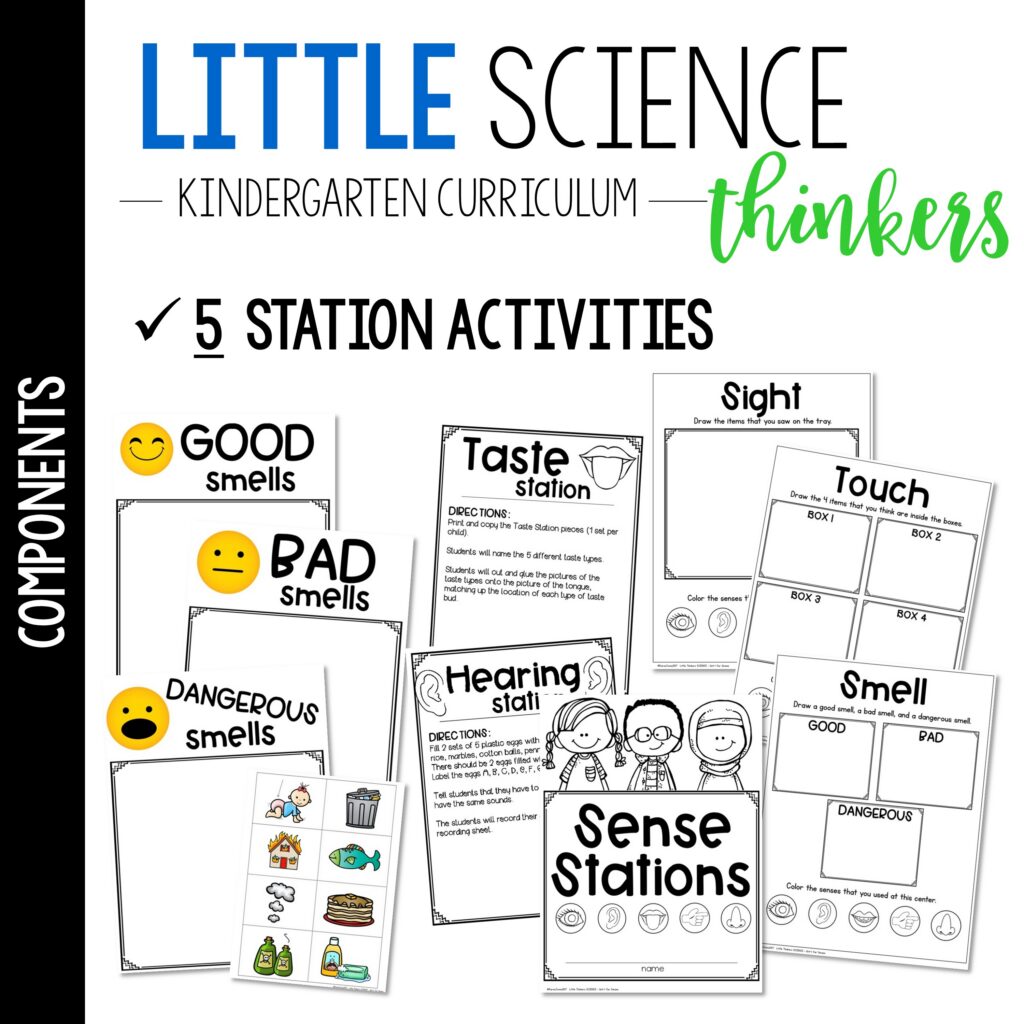
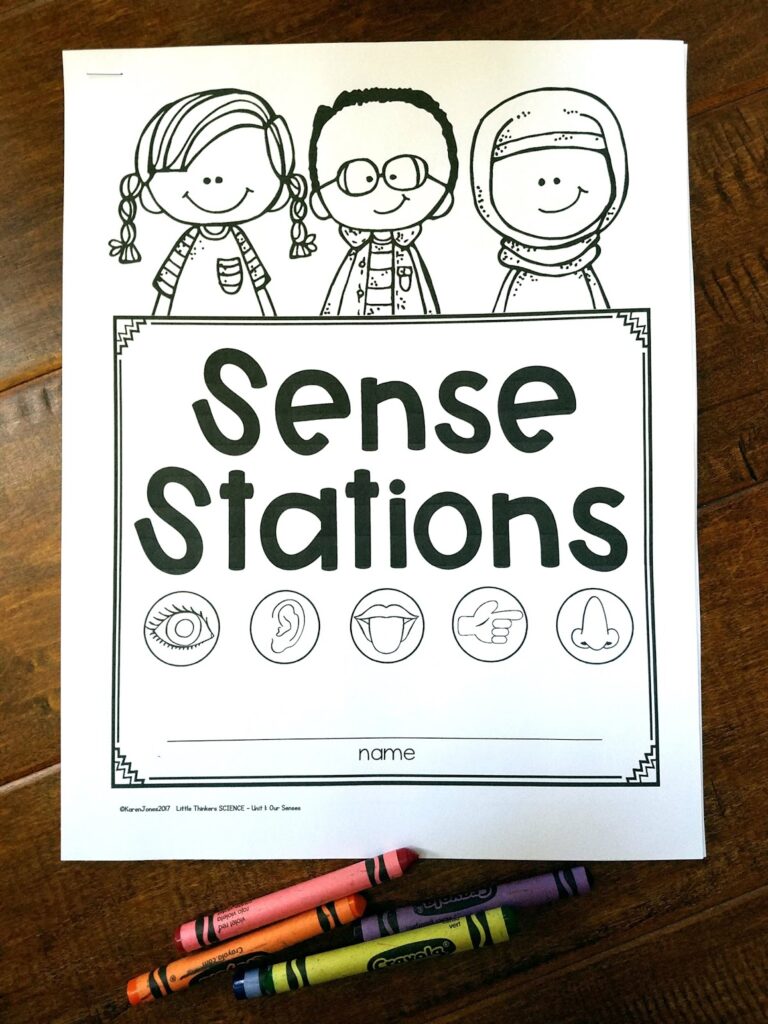
Science STATIONS
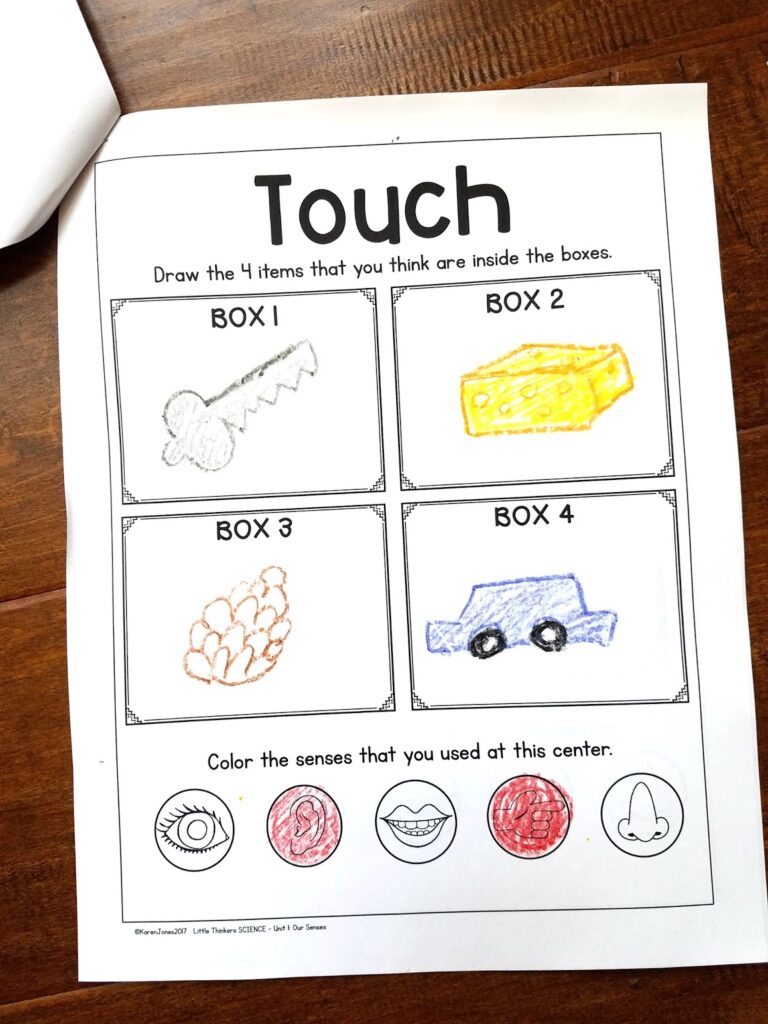
Student Workbook with activities to follow each lesson:
Directions and activities written in kinder-friendly language.
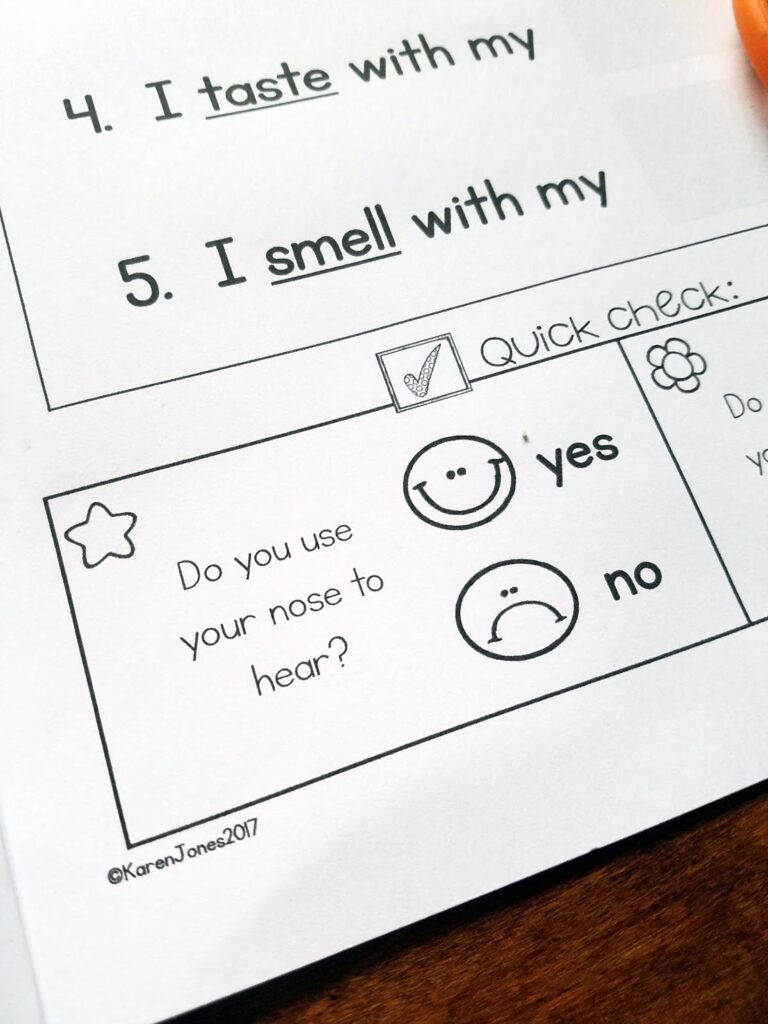
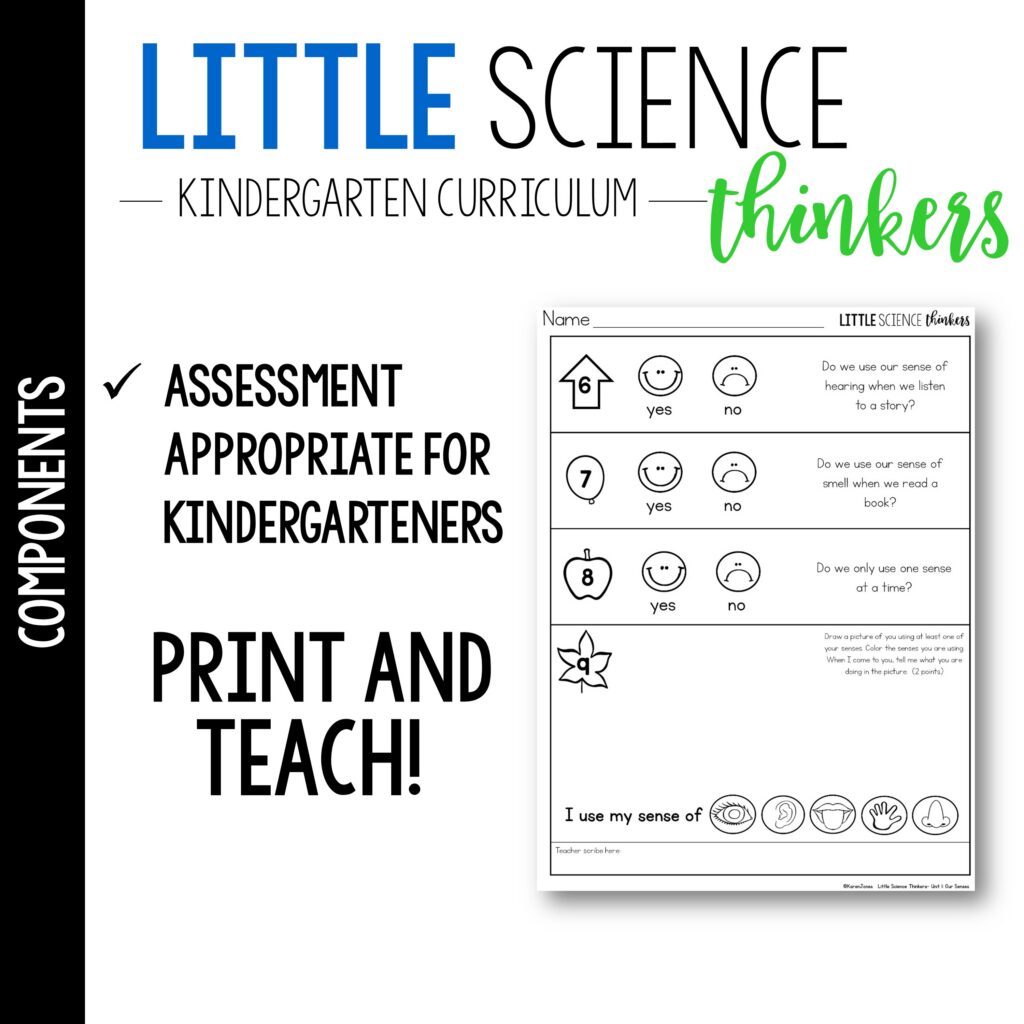
Quick Checks for every lesson to check for understanding:
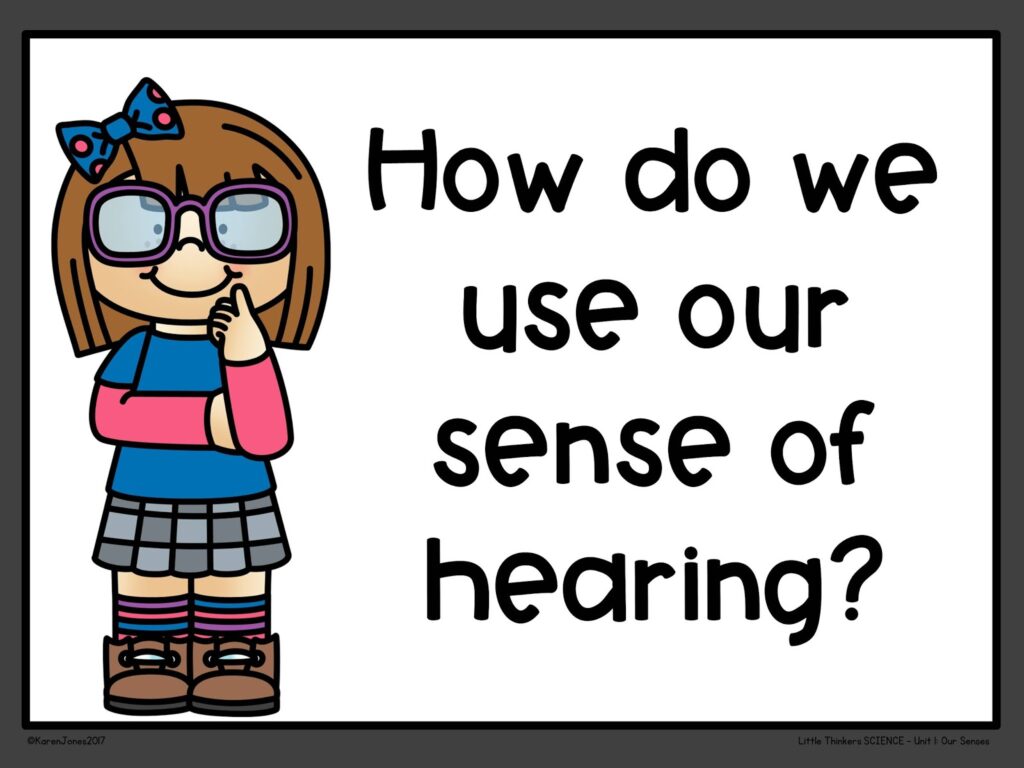
A COMPLETE PowerPoint to guide your teaching during EACH and EVERY Lesson!
Just pull up the PowerPoint on your Smart Board or projector to display the read-alouds, learning targets, activities, and more:
A Kinder-appropriate Assessment and Rubric:
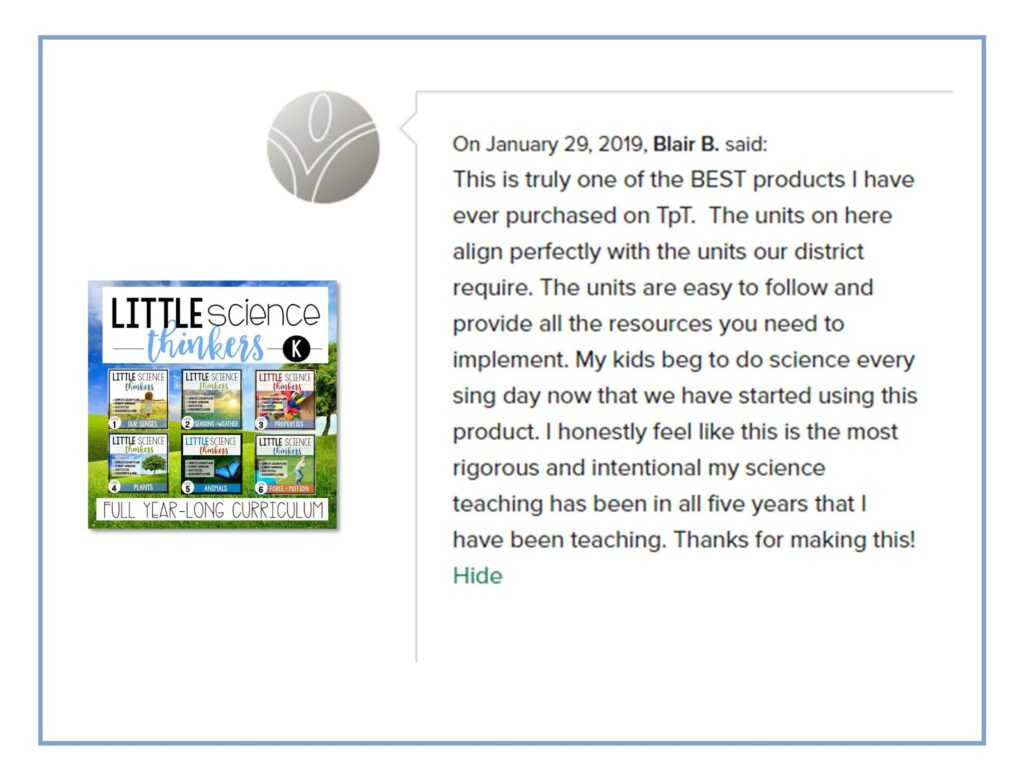
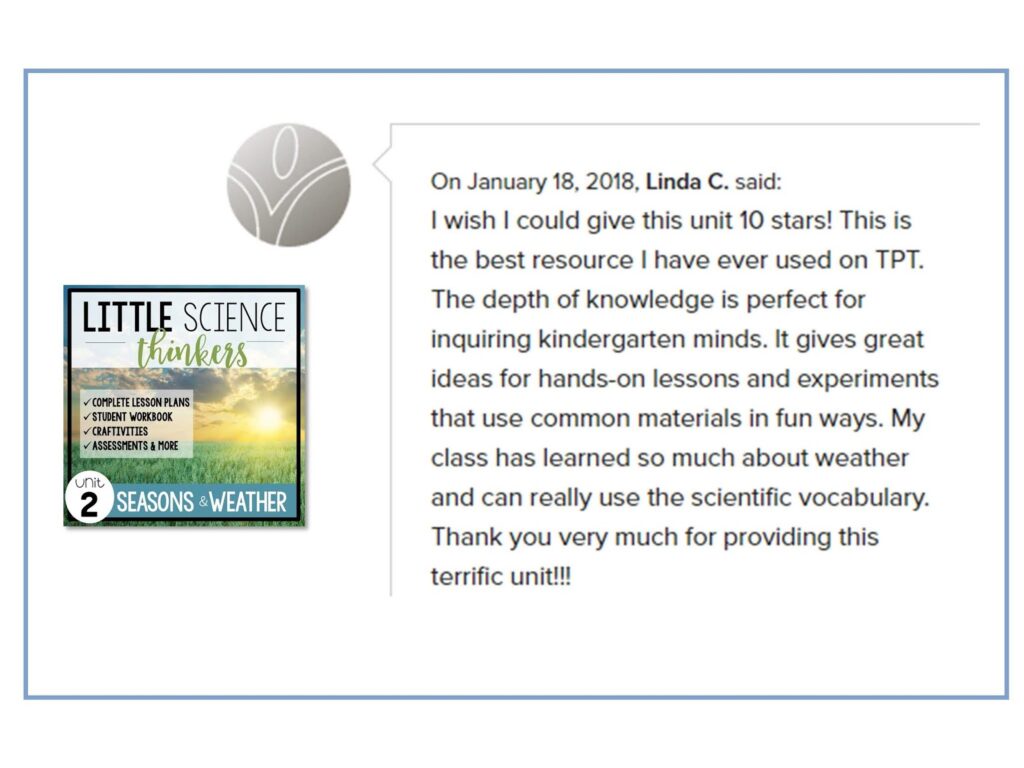
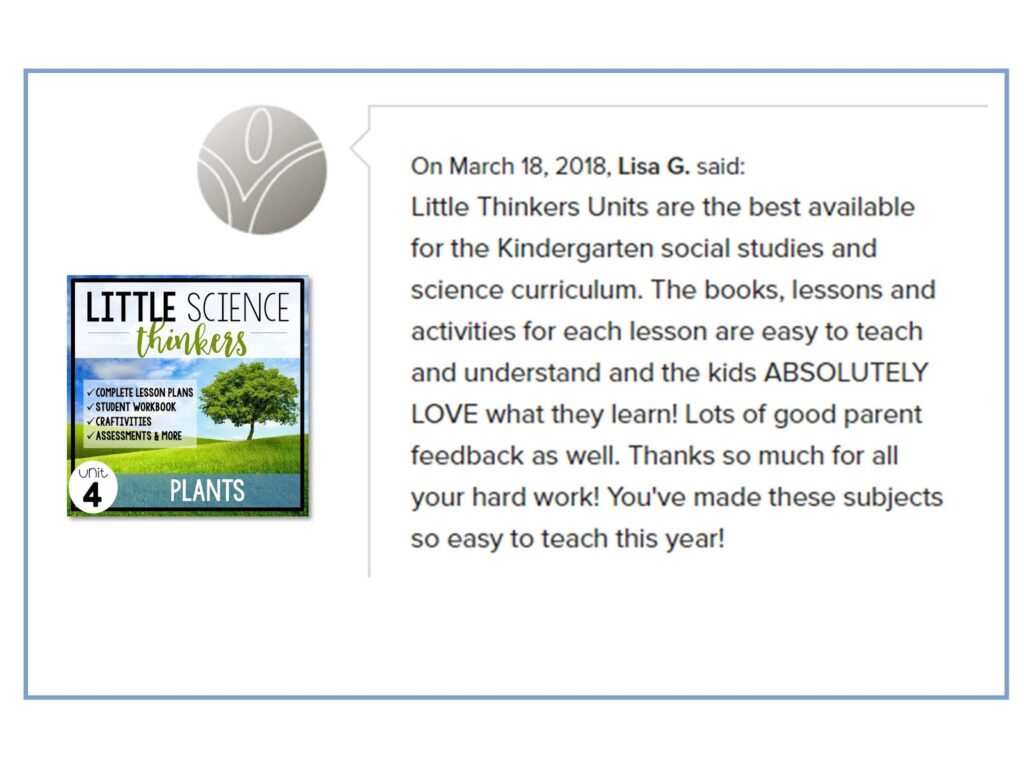
Here’s what some kindergarten teachers have to say about the curriculum:
This curriculum is very easy to use and students love it. Just print and teach!
Here are the lessons included in the other units:
—–UNIT 2: Seasons and Weather—–
Lesson 1: WHAT IS WEATHER?
Lesson 2: TYPES OF WEATHER
Lesson 3: THE SUN
Lesson 4: THE SUN AND SHADE – NGSS EXPERIMENT
Lesson 5: OBSERVING WEATHER
Lesson 6: HOW WEATHER AFFECTS US
Lesson 7: SEVERE WEATHER & SEVERE WEATHER SAFETY
Lesson 8: THE SEASONS
Lesson 9: THE SEASONS CRAFTIVITY
Lesson 10: SEASONS & WEATHER SCIENCE STATIONS (2 DAYS)
Lesson 11: REVIEWING SEASONS AND WEATHER
Lesson 12: UNIT ASSESSMENT
—–UNIT 3: Properties—–
Lesson 1: MAKING OBSERVATIONS
Lesson 2: SOLIDS, LIQUIDS, AND GASES
Lesson 3: OBSERVING COLOR
Lesson 4: OBSERVING AND MEASURING SIZE
Lesson 5: OBSERVING AND MEASURING WEIGHT
Lesson 6: OBSERVING SHAPE
Lesson 7: OBSERVING TEXTURE
Lesson 8: OBSERVING AND MEASURING TEMPERATURE
Lesson 9: SCIENCE STATIONS
Lesson 10: SCIENCE STATIONS (DAY 2)
Lesson 11: EXPERIMENT
Lesson 12: UNIT ASSESSMENT AND CRAFTIVITY (2 days)
—–UNIT 4: Plants—–
Lesson 1: LIVING AND NONLIVING THINGS
Lesson 2: PARTS OF A PLANT
Lesson 3: EXPERIMENT – HOW PLANTS ARE AFFECTED BY THEIR ENVIRONMENT
Lesson 4: PLANT NEEDS
Lesson 5: HOW PLANTS MAKE FOOD
Lesson 6: HOW PLANTS REPRODUCE
Lesson 7: LIFE CYCLE OF A PLANT
Lesson 8: PLANT TYPES
Lesson 9: PLANTS ADAPT
Lesson 10: SCIENCE STATIONS
Lesson 11: EXPERIMENT AND REVIEW
Lesson 12: UNIT ASSESSMENT
—–UNIT 5: Animals—–
Lesson 1: ANIMALS ARE LIVING THINGS
EXPERIMENT – ANIMALS GROW AND CHANGE
Lesson 2: ANIMAL GROUPS
Lesson 3: REPTILES
Lesson 4: BIRDS
Lesson 5: FISH
Lesson 6: AMPHIBIANS
Lesson 7: MAMMALS
Lesson 8: INVERTEBRATES
Lesson 9: ANIMAL LIFE CYCLES (INCLUDING METAMORPHOSES)
Lesson 10: SCIENCE STATIONS
Lesson 11: REVIEW AND EXPERIMENT CONCLUSION
Lesson 12: UNIT ASSESSMENT
—–UNIT 6: Force and Motion—–
Lesson 1: HOW THINGS MOVE
Lesson 2: PUSHES AND PULLS
Lesson 3: FORCE AND DIRECTION
Lesson 4: INVESTIGATION
Lesson 5: GRAVITY
Lesson 6: RAMP EXPERIMENT
Lesson 7: SIMPLE MACHINES
Lesson 8: SIMPLE MACHINE STATIONS
Lesson 9: SIMPLE MACHINE STATIONS
Lesson 10: USING MAGNETS TO MOVE
Lesson 11: REVIEW AND CRAFTIVITY
As always, let me know if you have any questions